Letters Tracing Font: A Crafting Tool for Elegant, Handmade Designs
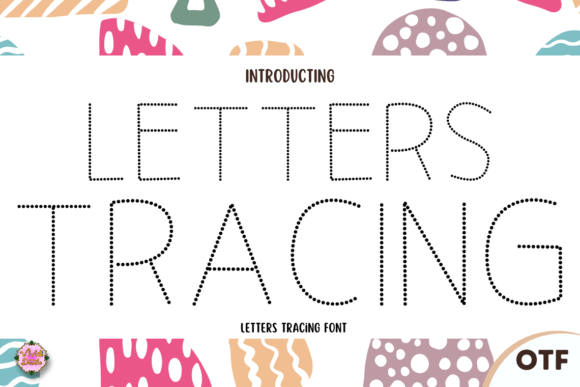
As someone who designs everything from shop labels to wedding stationery, I’m always searching for fonts that bridge beauty and utility. When I discovered the Letters Tracing font, I realized it wasn’t just another typeface in my library; it became a foundational tool for projects that require a touch of guided elegance. Its defining characteristic—those delicate dotted outlines—immediately sets it apart. This isn’t merely a decorative script; it’s a font with a gentle, instructive personality that feels both artistic and approachable.
The Creative Charm of a Dotted Outline
The dotted lines of Letters Tracing give it a unique visual texture. It carries a soft, almost whimsical charm that avoids being overly childish. Instead, it evokes the feel of a carefully sketched guide, adding a layer of craftsmanship to any design. This makes it incredibly versatile for the handmade marketplace. Whether you’re creating a rustic, farmhouse-style sign or a modern, minimalist product tag, the font introduces a subtle artistry that customers notice. It speaks of attention to detail, which directly enhances the perceived quality of your physical products.
Practical Projects for Crafters and Sellers
Letters Tracing shines in display use, perfect for short phrases, names, titles, and decorative wording that need to be both attractive and readable. Its structure is ideal for a multitude of applications.
For product labels and packaging, such as for handmade candles, honey jars, or boutique skincare, the font adds a clean, professional yet handmade aesthetic. It ensures your brand name or product title is legible on a small sticker or tag while maintaining style.
In stationery and invitations, like wedding welcome boards, birthday party invites, or seasonal greeting cards, Letters Tracing offers a warm, welcoming feel. “Mr. & Mrs.” on a wedding sign, or “Happy Holidays” on a card—the dotted outlines create a focal point that feels special and crafted, not just printed.
For digital printables and home decor, such as wall art quotes, planner covers, or educational activity sheets, the font’s interactive-looking style is a major selling point. It naturally fits designs meant to inspire or engage.
When applying designs to physical merchandise like mugs, tote bags, or shirts using a cutting machine, the clear outlines of Letters Tracing are a practical boon. The distinct dots and letterforms translate well into clean SVG paths, making vinyl cutting or printing processes more reliable, even for intricate words.
Readability and Scale Considerations
Because it’s a display font, Letters Tracing is best used for headlines and key phrases, not lengthy paragraphs. For small-scale items like mini stickers or detailed product labels, ensure you test the size in a mockup. The dotted lines need to remain discernible to retain their character, so avoid scaling down too drastically. For printed cards or signs, it performs beautifully at larger sizes, where its unique texture truly comes to life.
Building a Cohesive Brand Look
A font like Letters Tracing can become a signature element of your brand identity. Its consistent use across your product labels, shop signage, and social media graphics helps build customer recognition. It conveys an emotional appeal of creativity and care, which resonates deeply in the handmade and boutique markets. For seasonal craft designs—think autumn harvest signs or cheerful Christmas packaging—this font adapts easily, allowing your seasonal products to feel fresh while maintaining your shop’s cohesive look.
Pairing Letters Tracing with Other Fonts
To create balanced designs, pairing Letters Tracing with a supporting typeface is key. Its expressive, dotted style pairs wonderfully with a clean, simple sans serif font for body text or secondary information. For example, on a product label, use Letters Tracing for the product name “Lavender Serenity Candle,” and a minimalist sans serif for the weight, ingredients, or your shop logo. This combination ensures readability and lets the decorative font stand out without overwhelming the design. You could also pair it with a simple serif font for a more classic, printed look on invitations.
Checking Font Features for Professional Use
Before integrating a new font like Letters Tracing into your commercial workflow, it’s wise to check its included features. Look for alternates, ligatures, or multilingual support if listed, as these can add flexibility for unique logo designs or products for diverse markets. Understanding the file formats ensures compatibility with your design software, whether you’re working in vector programs for SVG designs or page layout tools for printables.
A Note on Commercial Licensing
For makers selling physical products, templates, digital downloads, or client work, font licensing is a crucial practical step. Most premium fonts, including commercial typefaces like Letters Tracing, come with a license that explicitly permits such use. Always verify the license terms to confirm you can use the font for selling your handmade labels, printables, merchandise, and branded designs. This protects your business and respects the artist’s work, allowing you to create confidently and commercially.
Ultimately, Letters Tracing is more than a creative font; it’s a design asset that solves real problems for craft-focused businesses. It provides the readable elegance needed for product presentation, the unique charm that attracts customers, and the practical structure that works from digital mockups to physical cuts. It empowers you to create items that look thoughtfully made, because the typography itself carries that story of artistry and care.